Acceleration of Soft-Tissue and Dermal Tensile Recovery with TB-500 (Thymosin Beta-4)
This study demonstrates the foundational structural mechanism of the peptide in driving rapid re-epithelialization and physical wound closure speed.

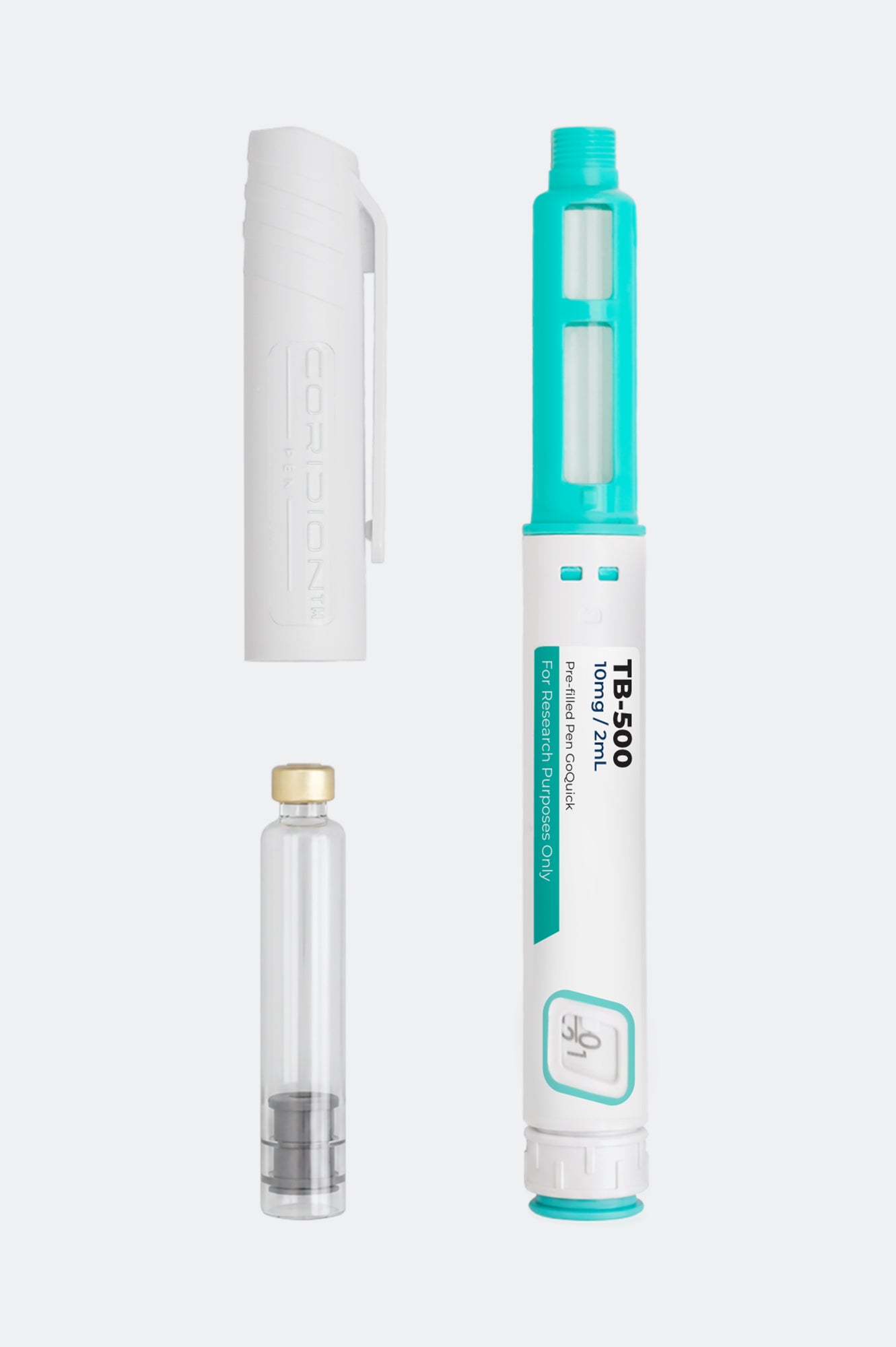
The cytoskeletal heavyweight. A synthetic version of Thymosin Beta-4 studied in cardiac, dermal, and musculoskeletal injury research. Research use only.
The cytoskeletal heavyweight of the tissue repair category. TB-500 is a synthetic version of Thymosin Beta-4 — a naturally occurring peptide found in nearly every human and animal cell — and it’s been a research compound of intense interest for its roles in cell migration, wound healing, and tissue regeneration across cardiac, dermal, and musculoskeletal models.
Thymosin Beta-4 binds G-actin and acts as a major intracellular regulator of actin polymerisation — the cellular process behind migration, proliferation, and morphological change. Through this and related pathways, TB4 influences angiogenesis, modulates inflammation, and recruits progenitor cells to sites of injury. TB-500 is widely used as a functional research analogue, though the precise relationship between the synthetic peptide and full-length TB4 in vivo remains an active area of investigation.
TB-500 and TB4 have been the subject of small early-phase human trials, primarily in dermal and ophthalmic wound healing contexts. Most data remains preclinical, with no broad regulatory approval to date.
Cardiac repair: Animal studies on myocardial infarction recovery, including effects on cardiomyocyte survival and angiogenesis.
Dermal wound healing: Faster re-epithelialisation and reduced inflammation in cutaneous wound models.
Corneal and ocular research: Effects on corneal epithelial healing.
Musculoskeletal injury: Investigation in soft tissue and tendon repair models.
Hair follicle research: Studies on follicle stem cell activation and hair growth in animal models.
This study demonstrates the foundational structural mechanism of the peptide in driving rapid re-epithelialization and physical wound closure speed.
As Seen In The Press
Peptides can affect the way the body functions at a cellular level.
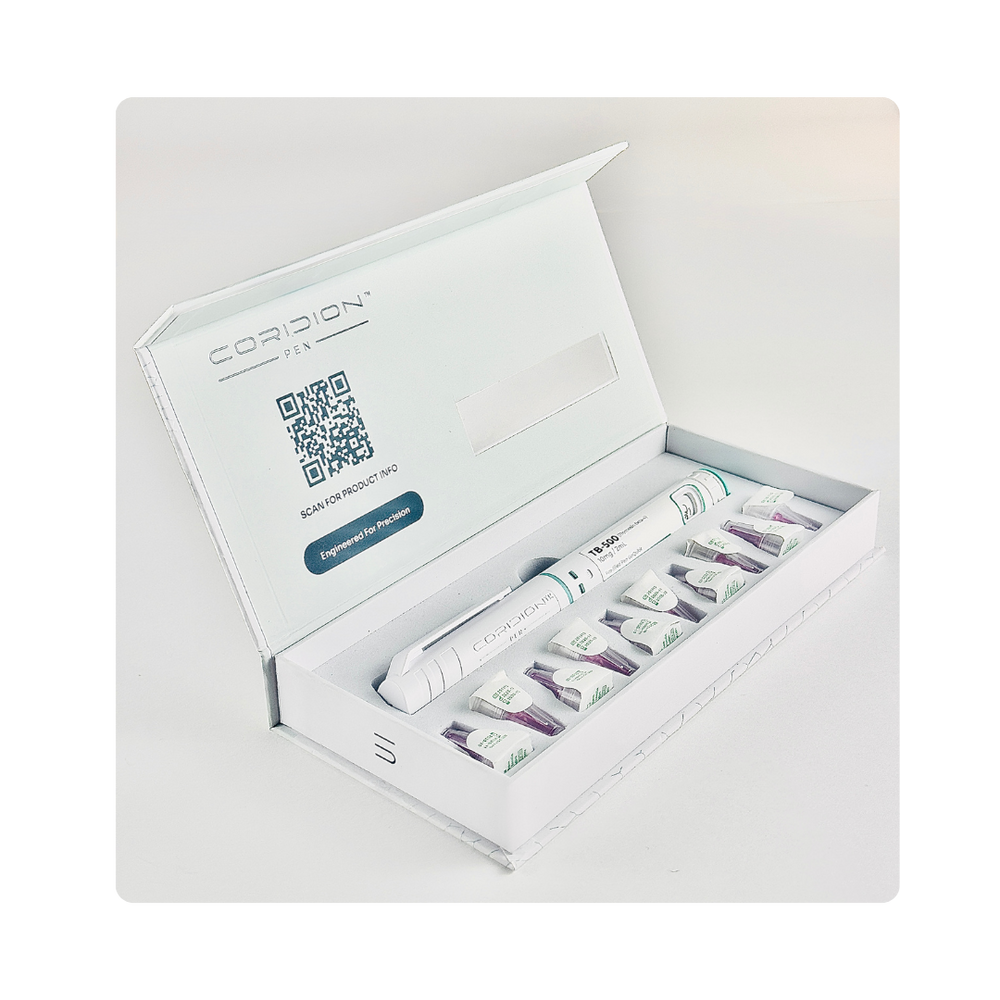
Pre-filled Cartridges
Engineered for absolute accuracy and ease. Our pre-blended pens make precise dosing completely seamless in just three quick steps.
Step 1 - Remove the Pre-mixed pen from the box
Step 2 - Secure the needle tip
Step 3 - Twist to set the required dose
Blends
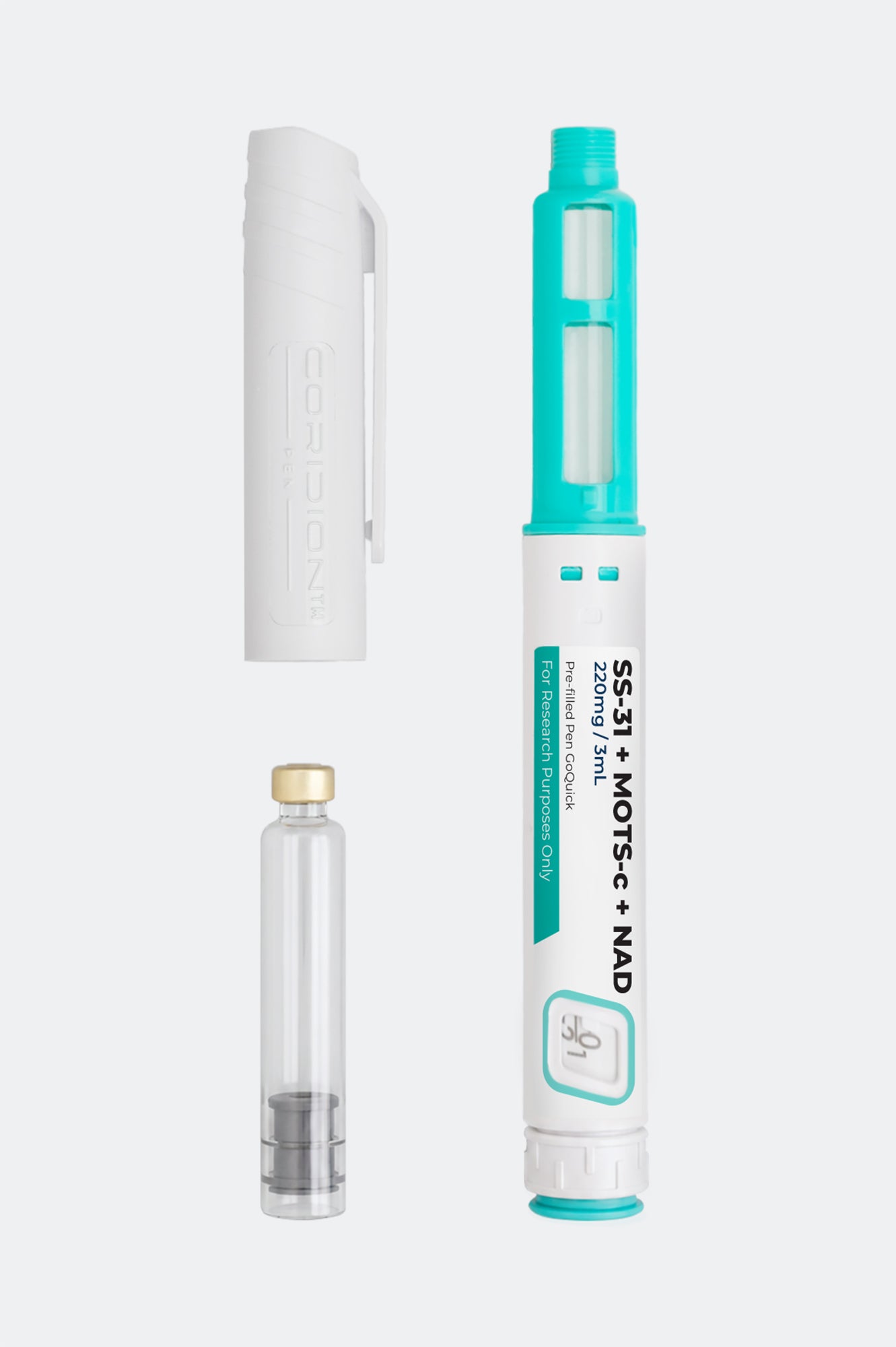
The flagship triple combination of modern mitochondrial research. SS-31, MOTS-c, and NAD+ each act on a different layer of cellular energy biology — structure,. Research use only.
$213.04
Blends
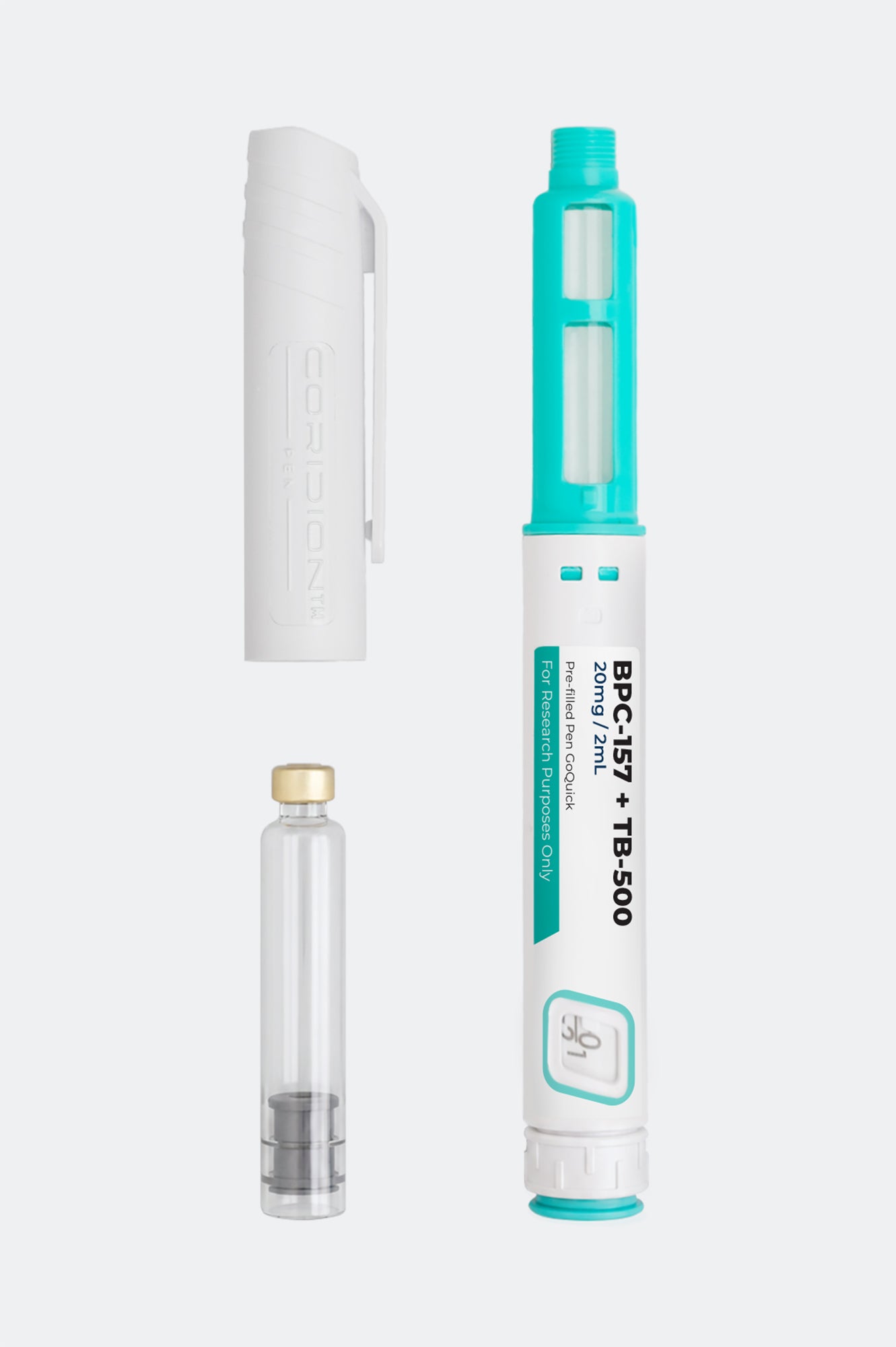
The most famous tissue repair stack in research. BPC-157 brings angiogenesis and gastrointestinal protection; TB-500 brings cytoskeletal regulation and cell migration. Two of the. Research use only.
$137.14
Blends
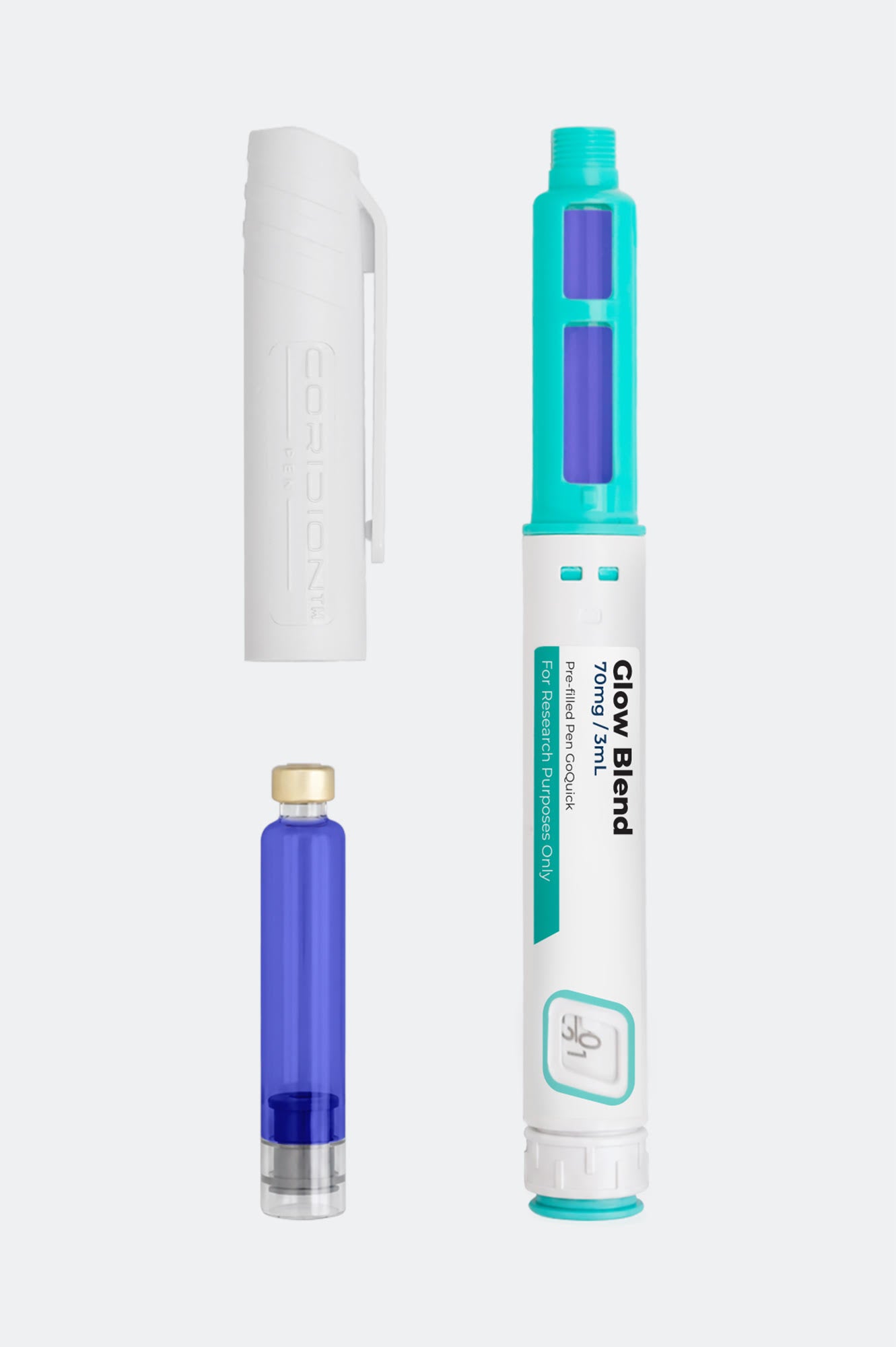
The Wolverine stack, levelled up. Adding GHK-Cu — the most extensively studied dermal and tissue repair peptide on the market — brings extracellular matrix. Research use only.
$135.81