Metabolic Stability and the Impact of Binding Protein Evasion
This foundational pharmacokinetic study established how the structural modifications of IGF-1 LR3 prevent it from being neutralised by binding proteins, maximising its active lifespan.

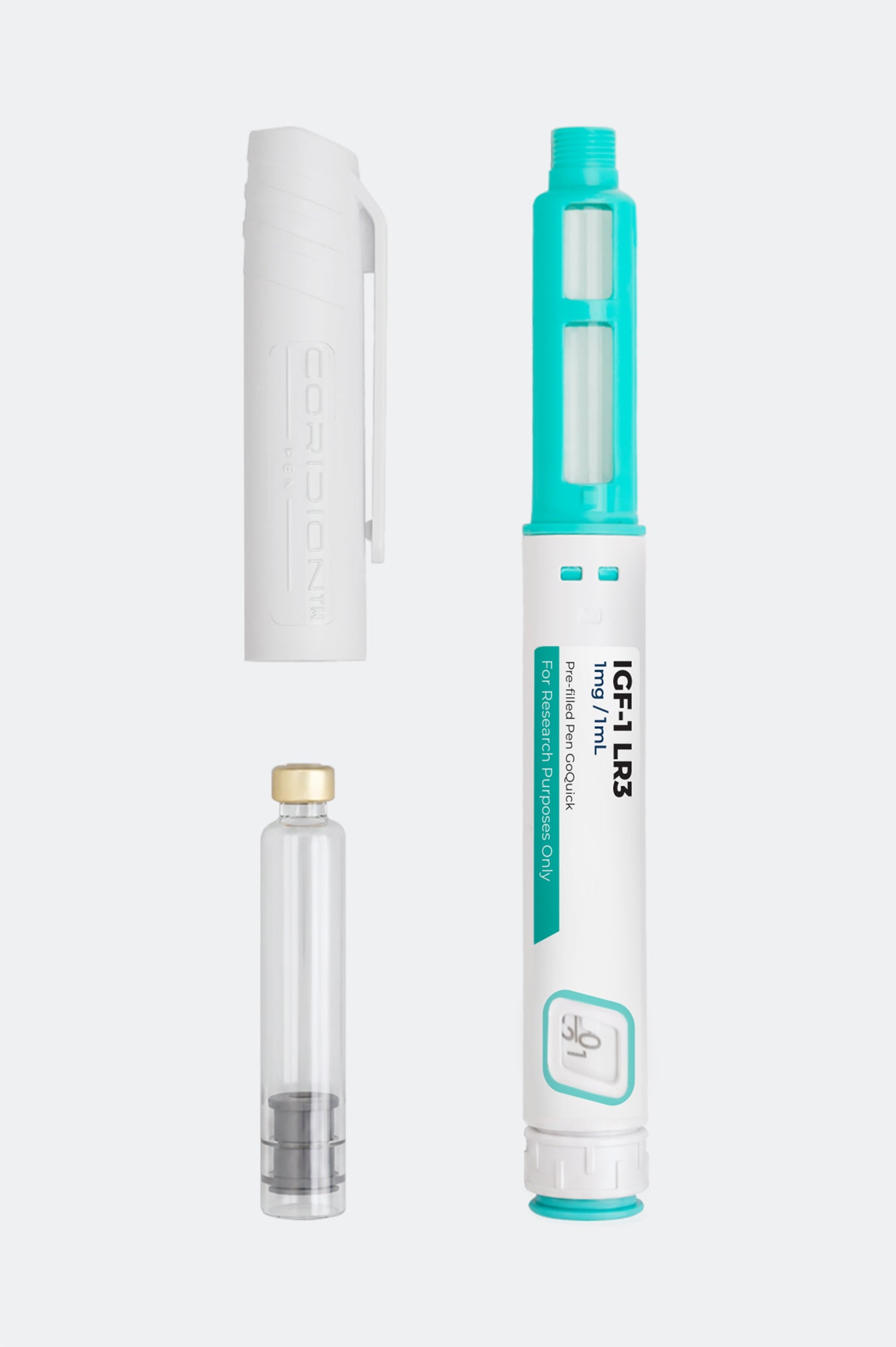
A modified IGF-1 analogue with reduced IGFBP binding, widely used in cell culture and muscle biology research. Strictly for laboratory and in vitro research use only.
IGF-1 LR3 (Long R3 IGF-1) is a recombinant analogue of insulin-like growth factor-1 with two modifications: an arginine substitution at position 3 and a 13-amino-acid N-terminal extension. These modifications dramatically reduce its binding to IGF binding proteins (IGFBPs), extending its bioavailability and free-IGF-1 activity compared with native IGF-1. It is widely used as a research tool in cell biology, particularly in cell culture systems.
IGF-1 LR3 binds the IGF-1 receptor and, to a lesser extent, the insulin receptor, activating downstream PI3K/Akt and MAPK signalling pathways that govern cellular growth, proliferation, survival, and metabolism. The reduced IGFBP binding produces a more pronounced and sustained biological effect than native IGF-1 at equivalent concentrations, which is particularly valuable in cell culture research where IGFBP interference can confound results.
IGF-1 LR3 is well-established as a laboratory and cell-culture research tool. It is not a therapeutic product, and its use in living systems sits well outside the contexts in which its safety has been characterised.
Published research uses span both basic cell biology and applied physiology:
Cell culture: Extensively used as a growth supplement in mammalian cell culture systems, including bioprocessing and stem cell research.
Muscle biology: Studies on myoblast proliferation, differentiation, and hypertrophy in cellular models.
Cancer research: Investigation as a tool for studying IGF-1 receptor signalling in tumour biology.
Metabolic research: Studies on insulin-receptor crosstalk and glucose handling.
This foundational pharmacokinetic study established how the structural modifications of IGF-1 LR3 prevent it from being neutralised by binding proteins, maximising its active lifespan.
As Seen In The Press
Peptides can affect the way the body functions at a cellular level.
Pre-filled Cartridges
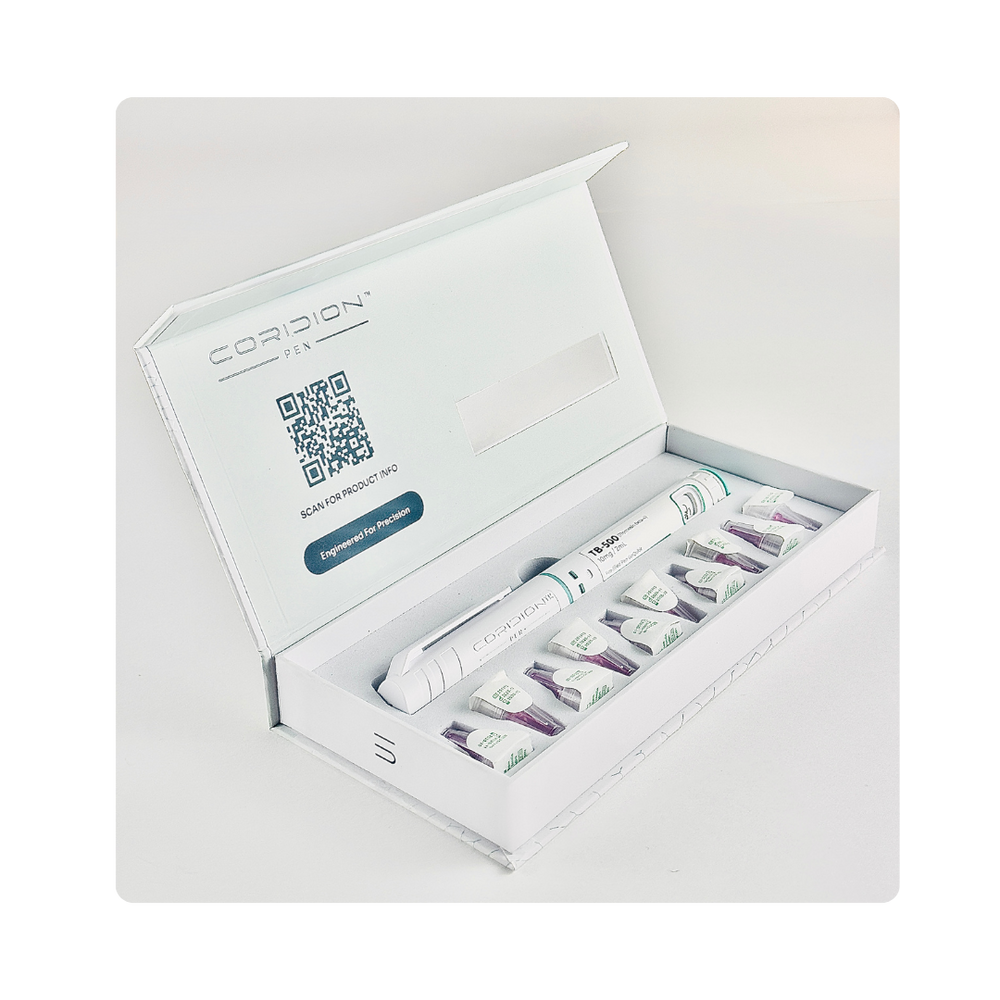
Engineered for absolute accuracy and ease. Our pre-blended pens make precise dosing completely seamless in just three quick steps.
Step 1 - Remove the Pre-mixed pen from the box
Step 2 - Secure the needle tip
Step 3 - Twist to set the required dose
Blends
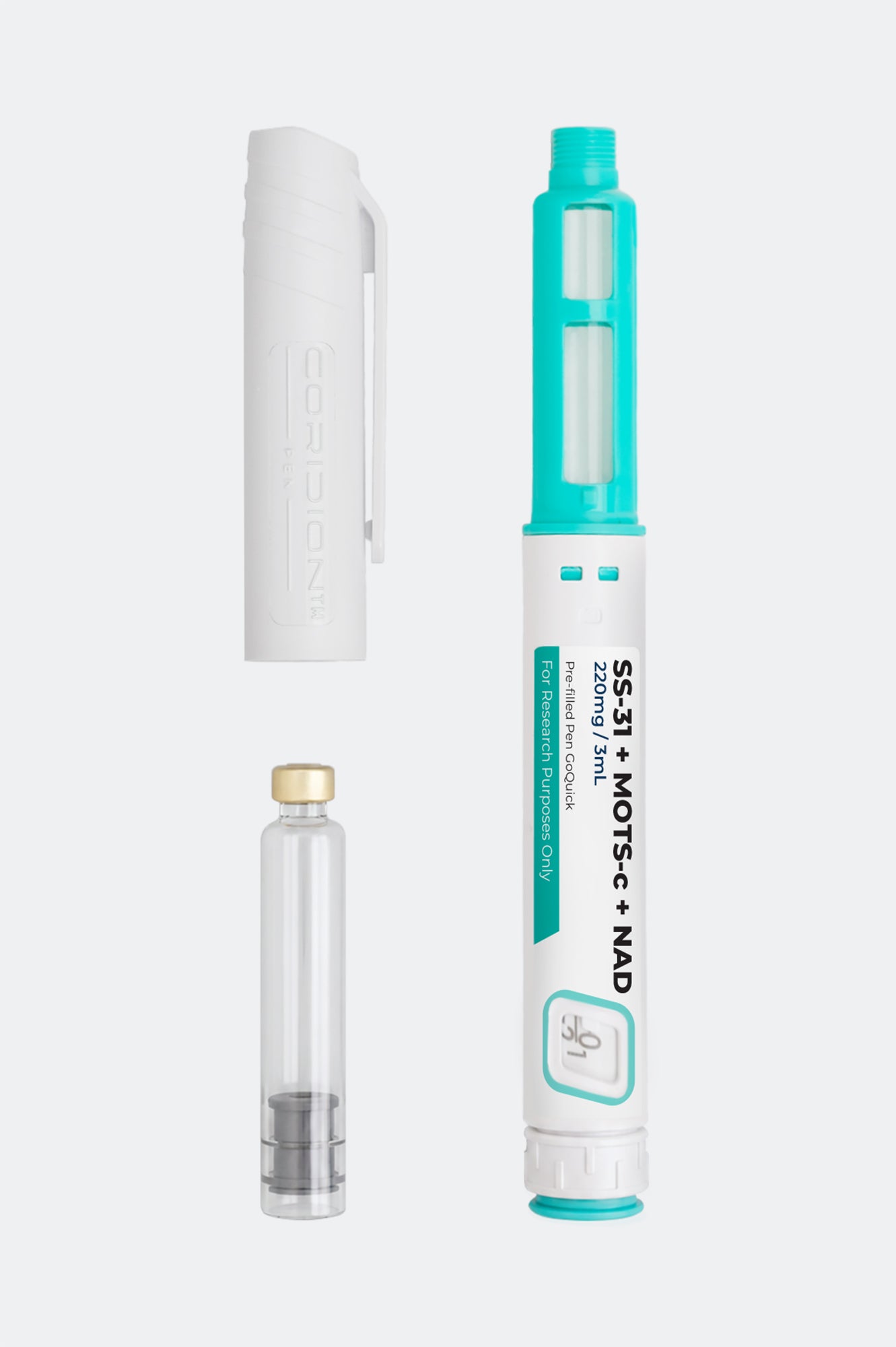
The flagship triple combination of modern mitochondrial research. SS-31, MOTS-c, and NAD+ each act on a different layer of cellular energy biology — structure,. Research use only.
£159.99
Blends
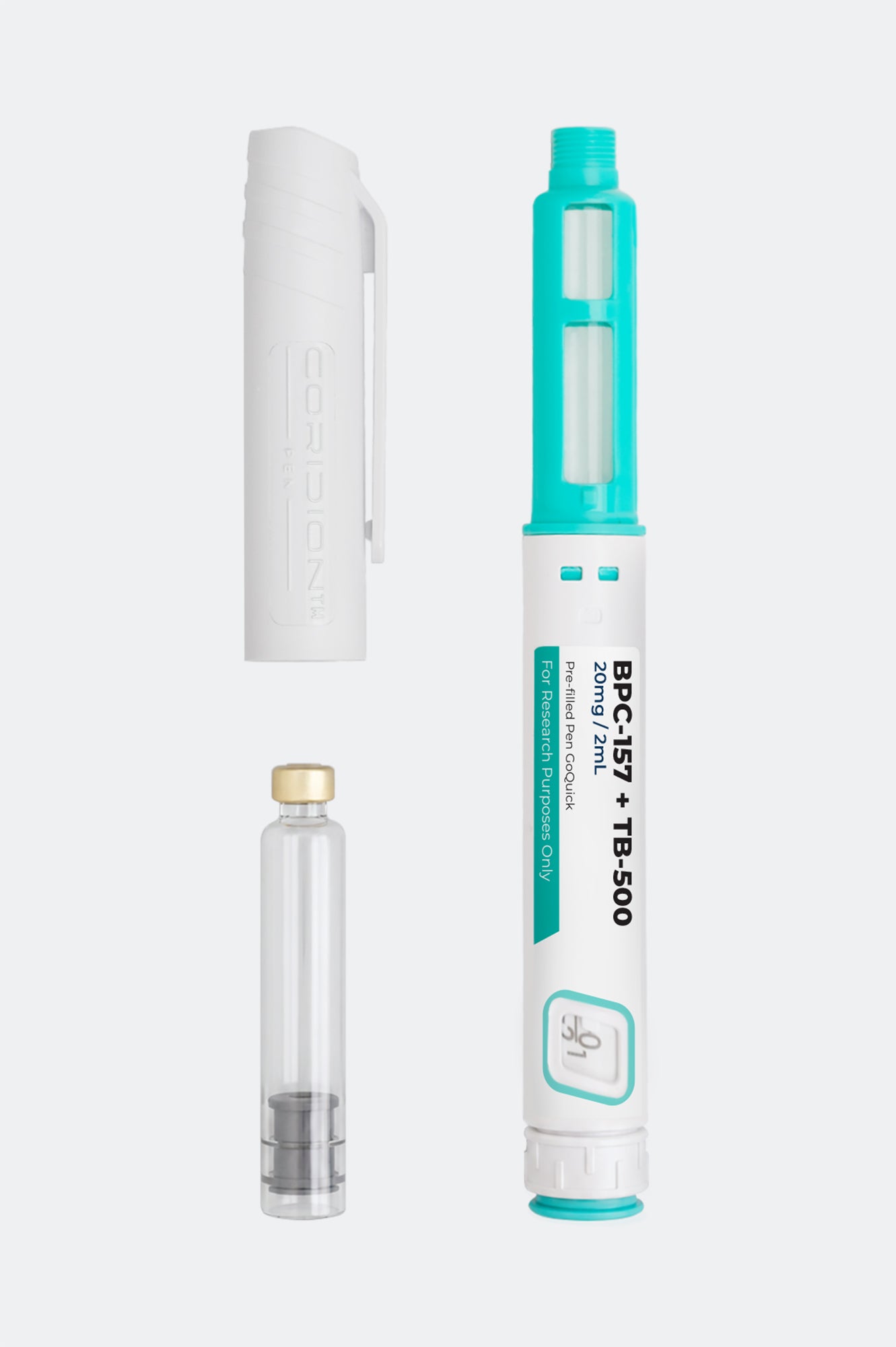
The most famous tissue repair stack in research. BPC-157 brings angiogenesis and gastrointestinal protection; TB-500 brings cytoskeletal regulation and cell migration. Two of the. Research use only.
£102.99
Blends
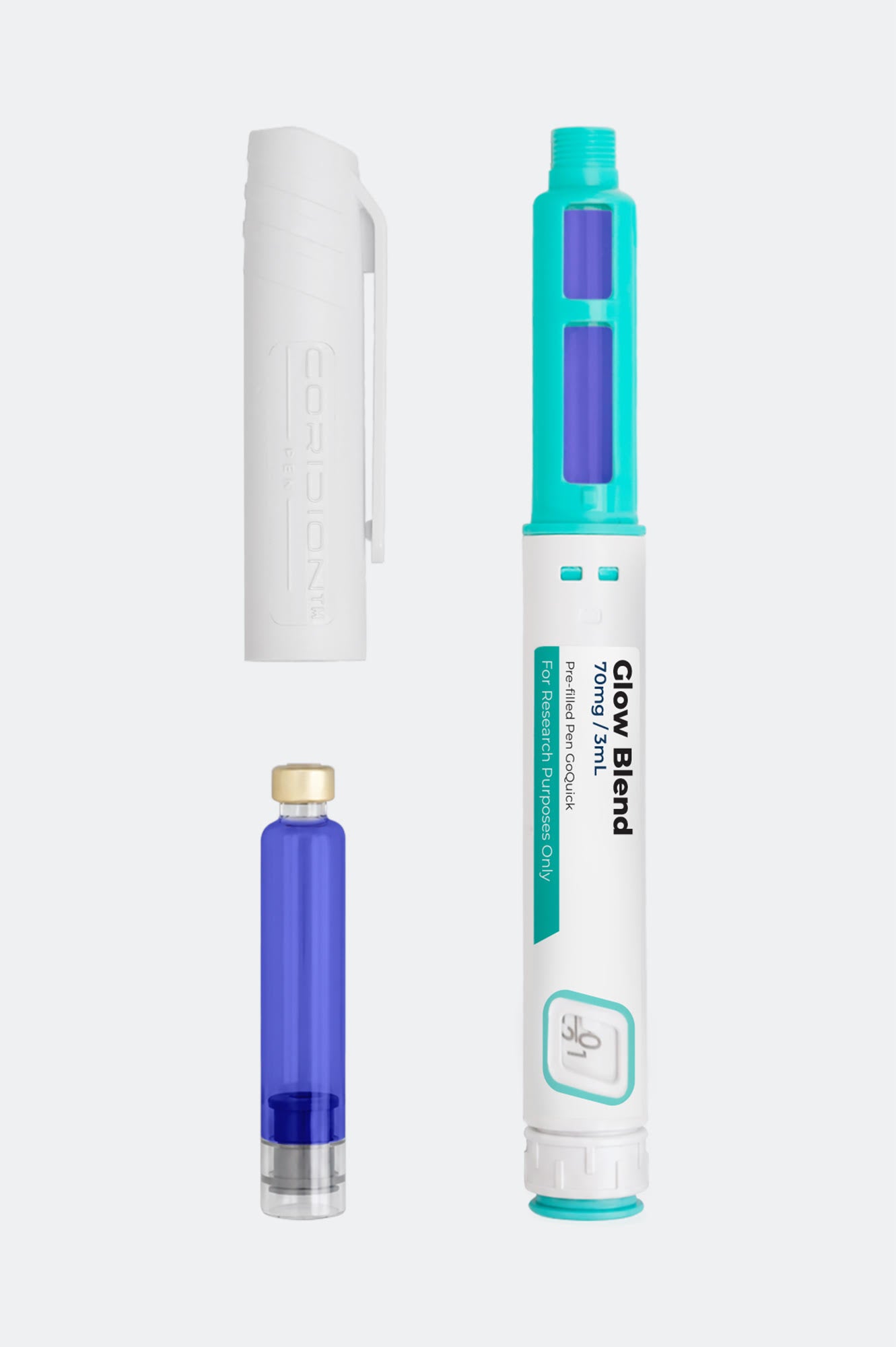
The Wolverine stack, levelled up. Adding GHK-Cu — the most extensively studied dermal and tissue repair peptide on the market — brings extracellular matrix. Research use only.
£101.99